
Digitising and exploring Egyptian mummies through Captured Reality
As part of a new permanent Egyptian exhibition, Storyvoxel worked with the Museum of Mediterranean and Near Eastern Antiquities in Stockholm to make the museum’s mummy collection digitally accessible for the first time.
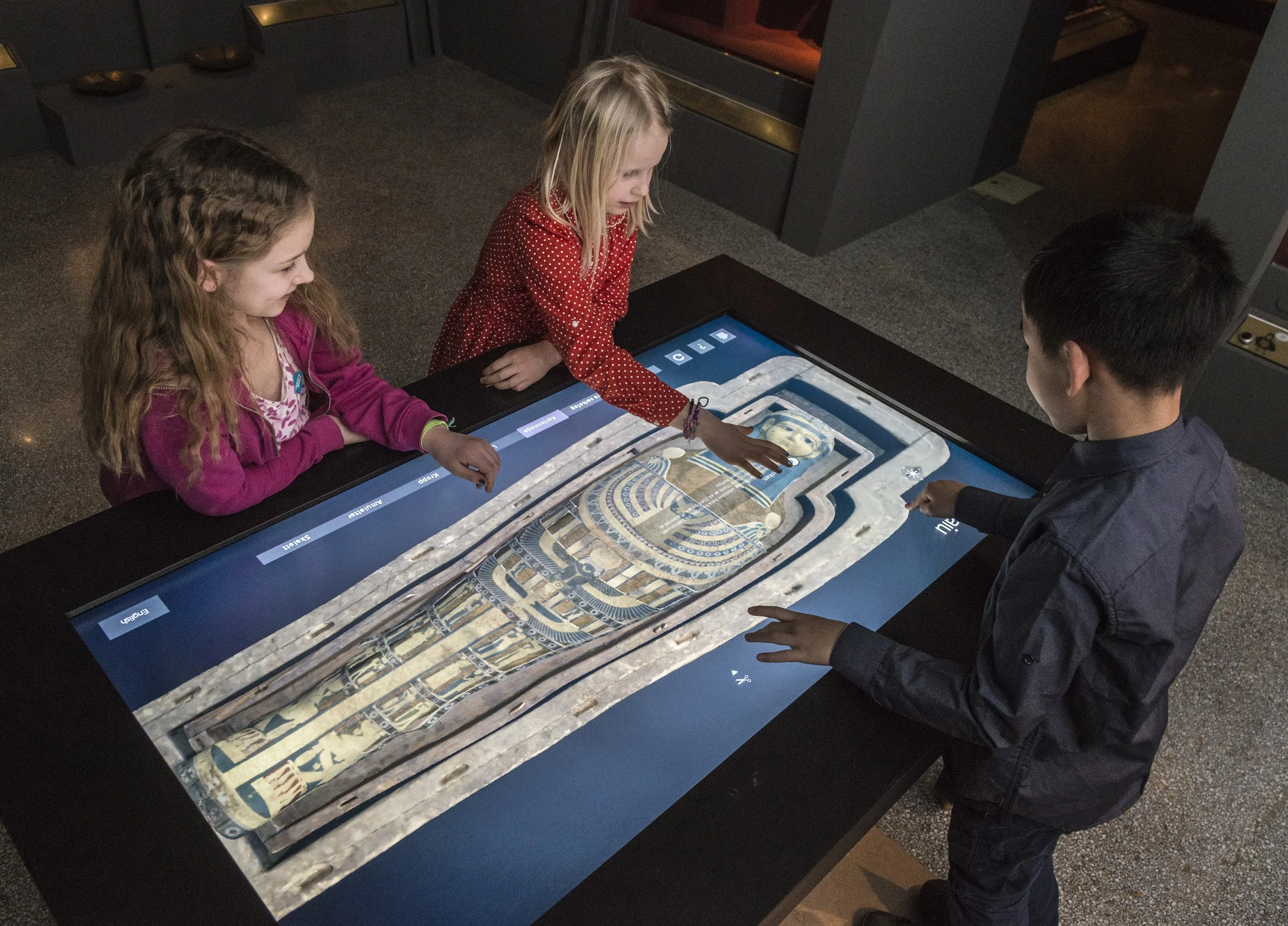
Using advanced reality‑capture technologies, selected mummies were digitised in 3D and transformed into an interactive exhibition experience built on Storyvoxel’s Inside Explorer platform.
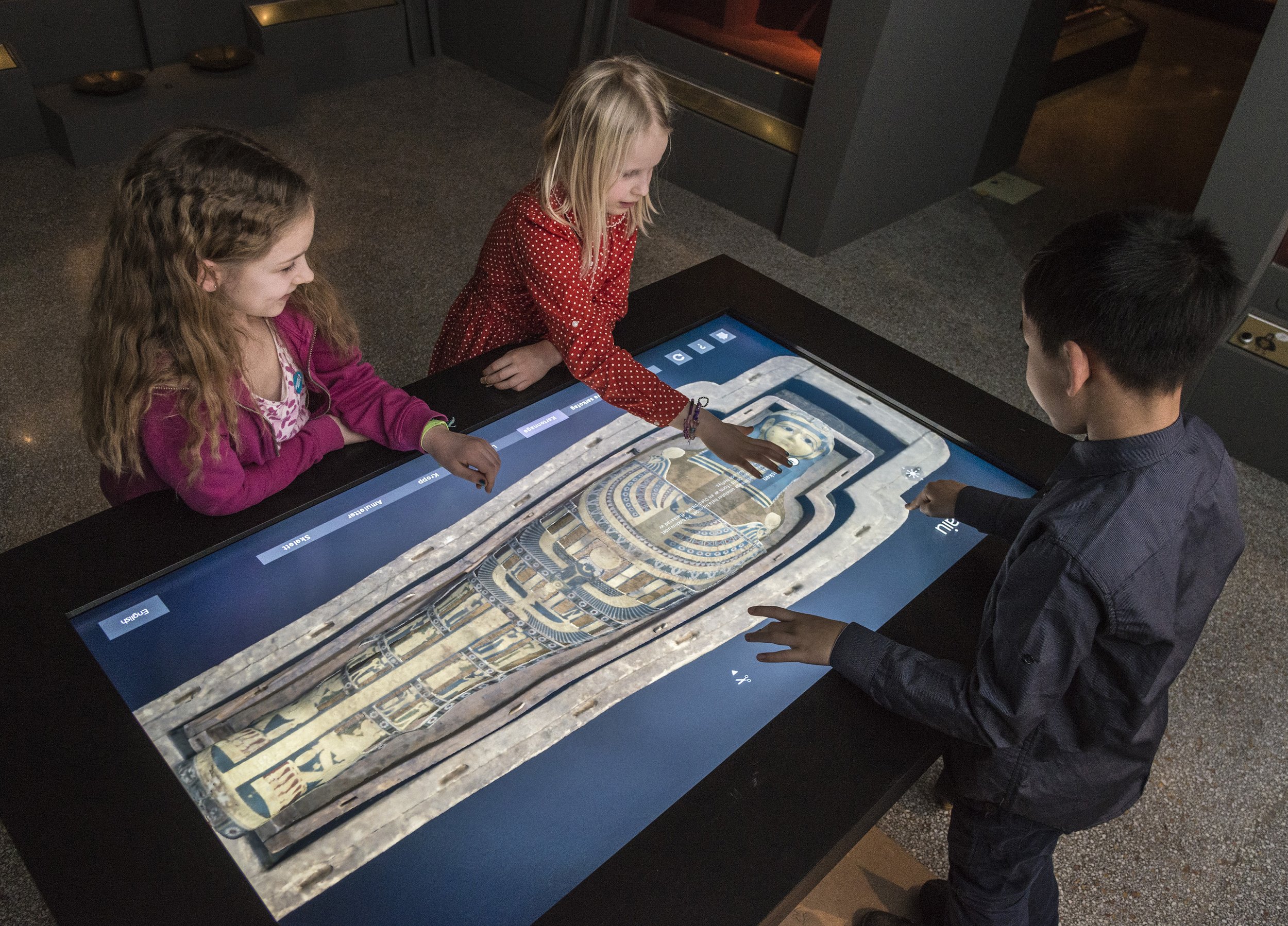
The project combines volumetric scanning, surface capture, interactive visualisation, and 3D printing to enable visitors, researchers, and other institutions to explore rare artefacts without physical intervention.
State of the Art Captured Reality project
The ambition with this project was to establish a new reference for how museums can work with Captured Reality—using real scientific data, interactive visualisation, and tactile exploration to make fragile collections more accessible, explorable, and shareable.
While this project focused on Egyptian mummies, the same production methods are applicable to a wide range of cultural heritage objects, from natural history specimens to historical artefacts.
“Layer by layer, the visitor can explore the mummy and gain knowledge about the individual’s life and beliefs.
With this approach, the mummies become stronger mediators of knowledge of our past.”
— Elna Nord, Exhibition Producer, Museum of Mediterranean and Near Eastern Antiquities
1. Capturing the interior
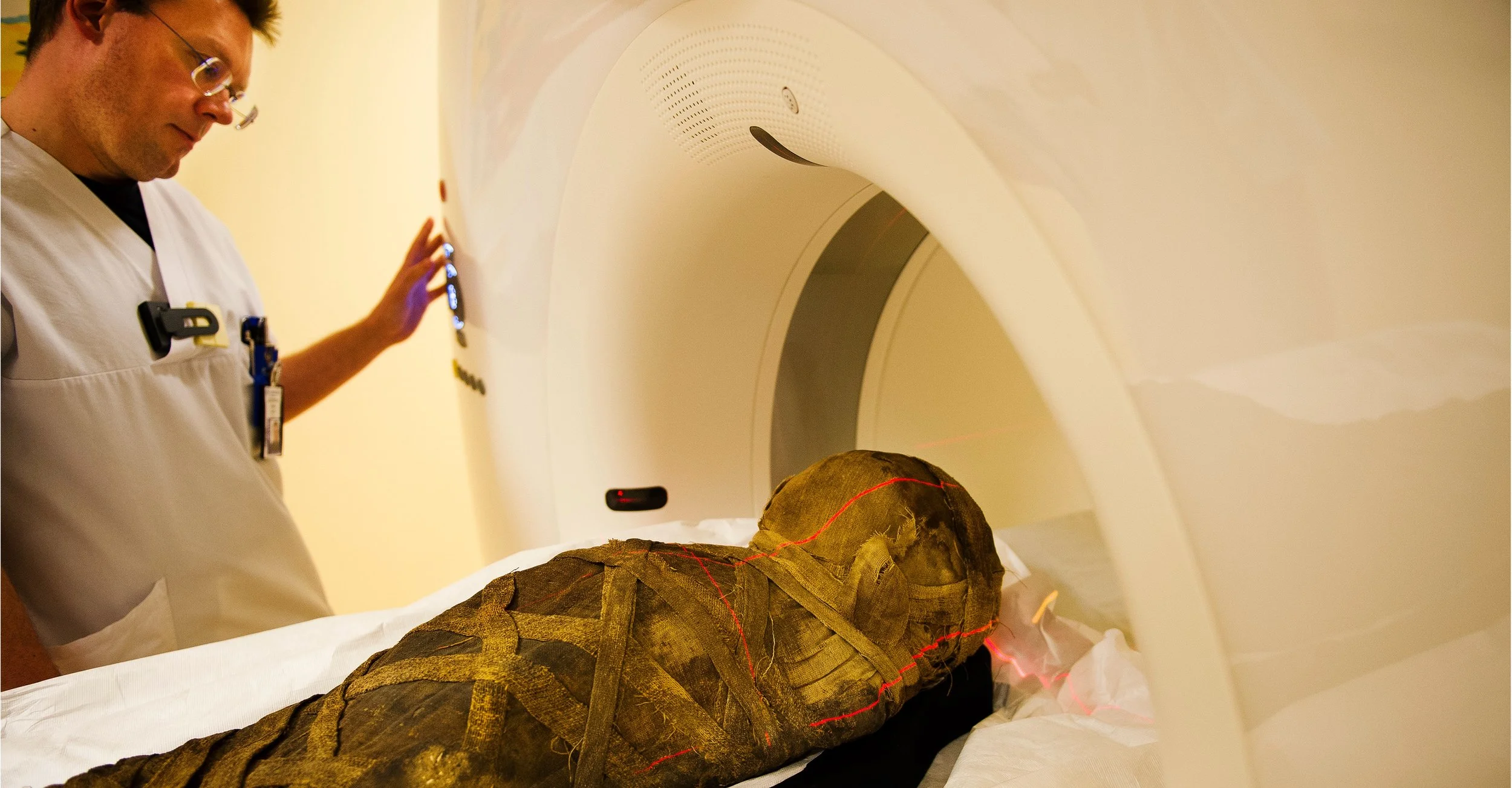
The mummies were carefully transported from the museum to Linköping University Hospital under strict conservation and safety protocols. There, they were scanned using a dual‑energy CT system, following specialised protocols developed in collaboration with radiology and forensic experts at CMIV.
Dual‑energy CT made it possible to capture internal structures in very high detail while also distinguishing between different materials embedded within the wrappings. This enabled the internal anatomy and funerary artefacts to be visualised individually and examined non‑destructively.
2. Capturing the exterior
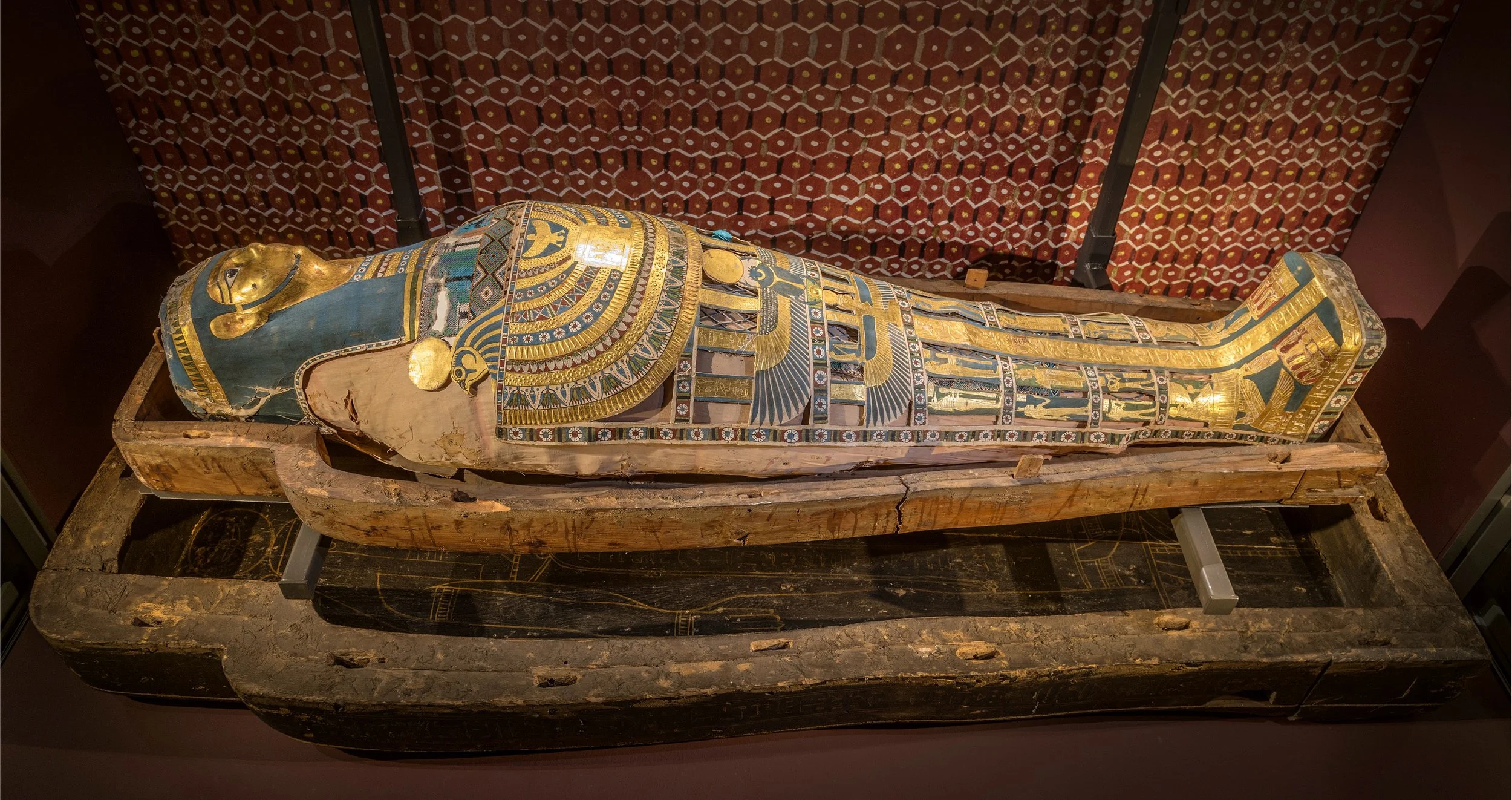
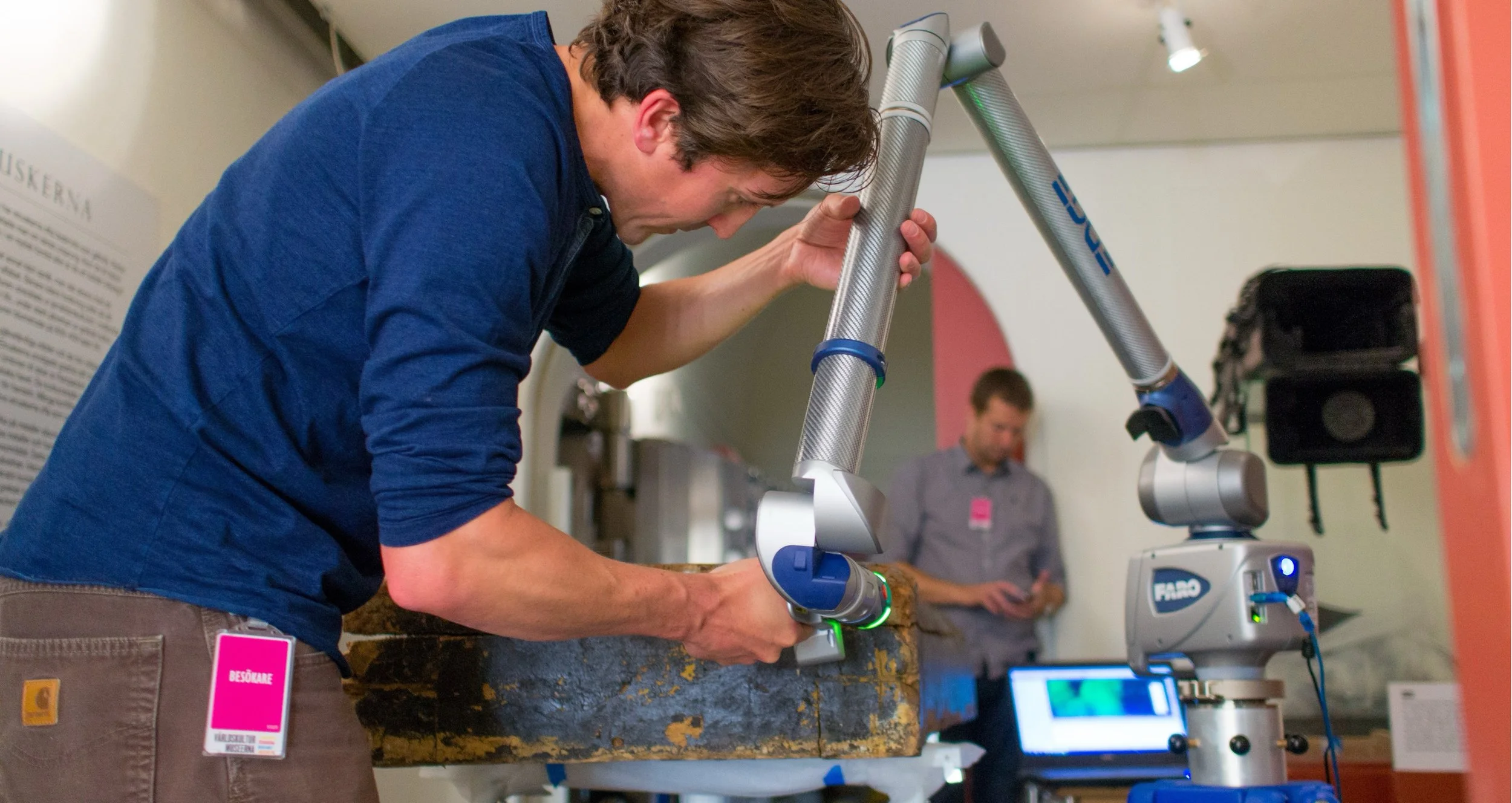
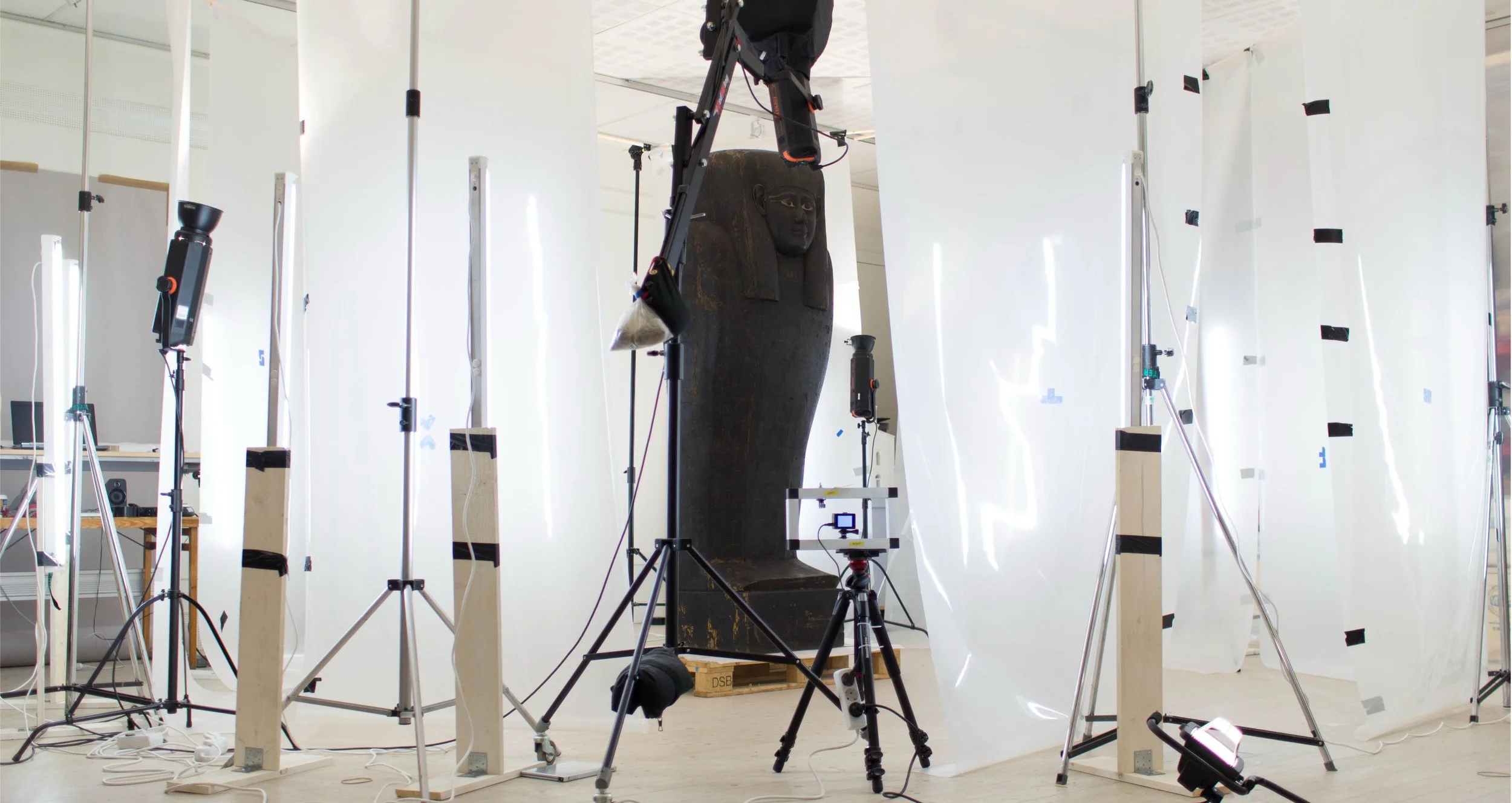
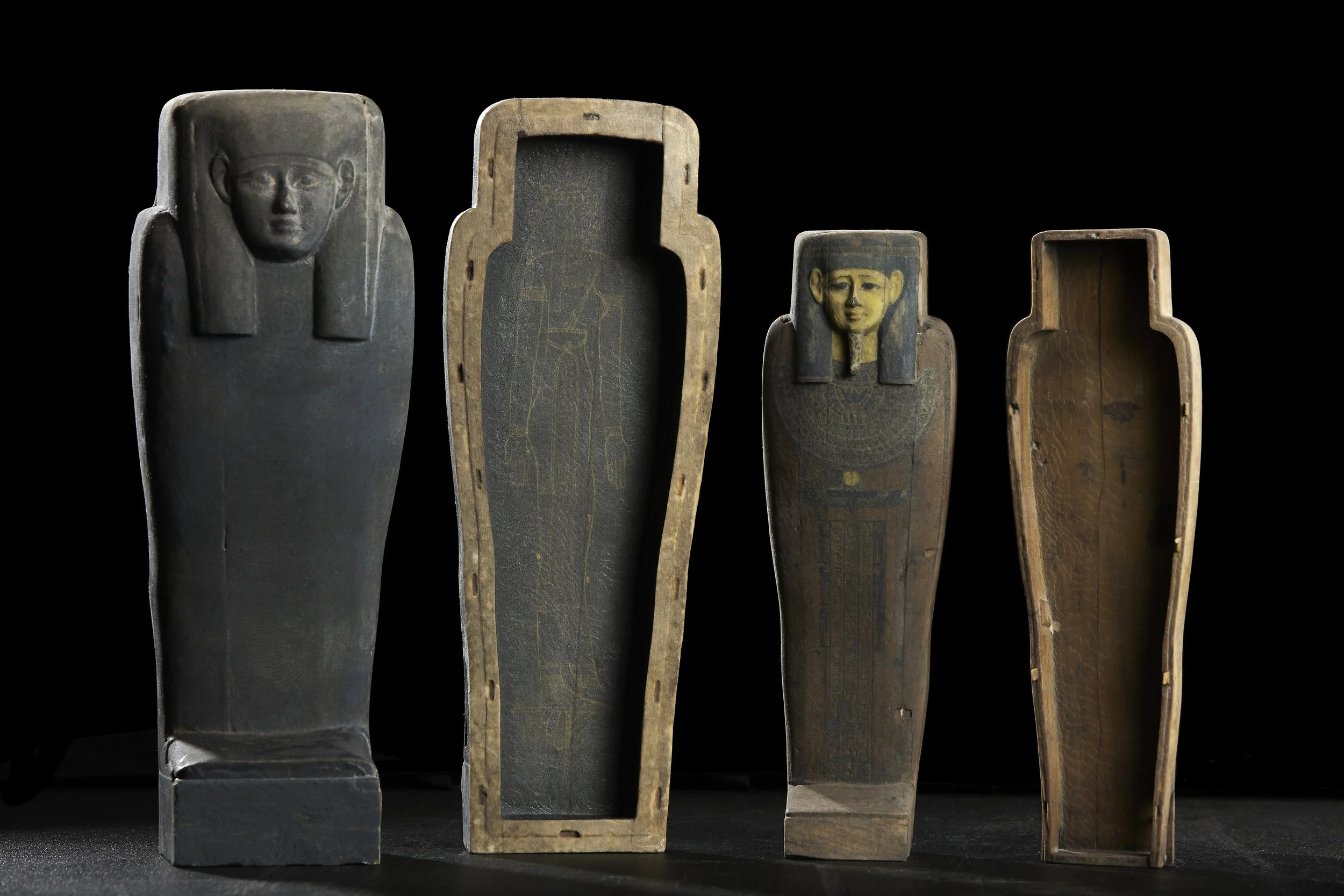
To document the exterior surfaces, the mummy, cartonnage, and sarcophagus were digitised using a combination of laser scanning and photogrammetry, capturing geometry, colour, and surface texture at high fidelity.
The surface data was processed into detailed textured meshes, resulting in accurate digital representations that preserve the visual and material characteristics of the original objects.
3. Creating an interactive experience
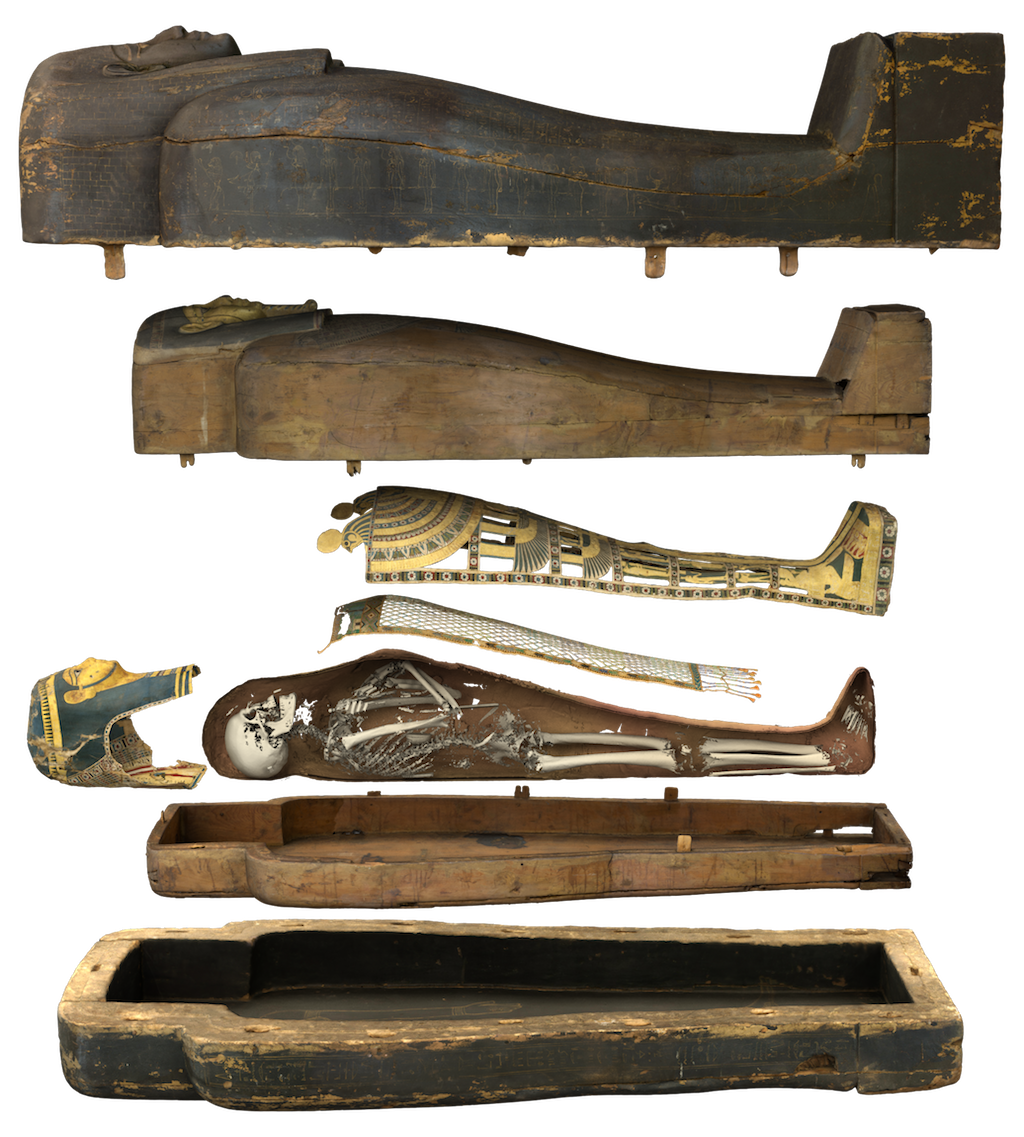
The volumetric CT data and high‑resolution surface models were combined within Inside Explorer, creating a unified, explorable digital representation of the mummy.
Through intuitive multi‑touch interaction, visitors and researchers can:
Explore the object as a complete whole
Zoom into fine surface details
Remove outer layers and digitally unwrap the mummy
Reveal internal anatomy and objects wrapped within
The interaction design allows exploration to scale naturally—from casual engagement to deeper investigation—while remaining grounded in real data.
4. Creating a tactile extension
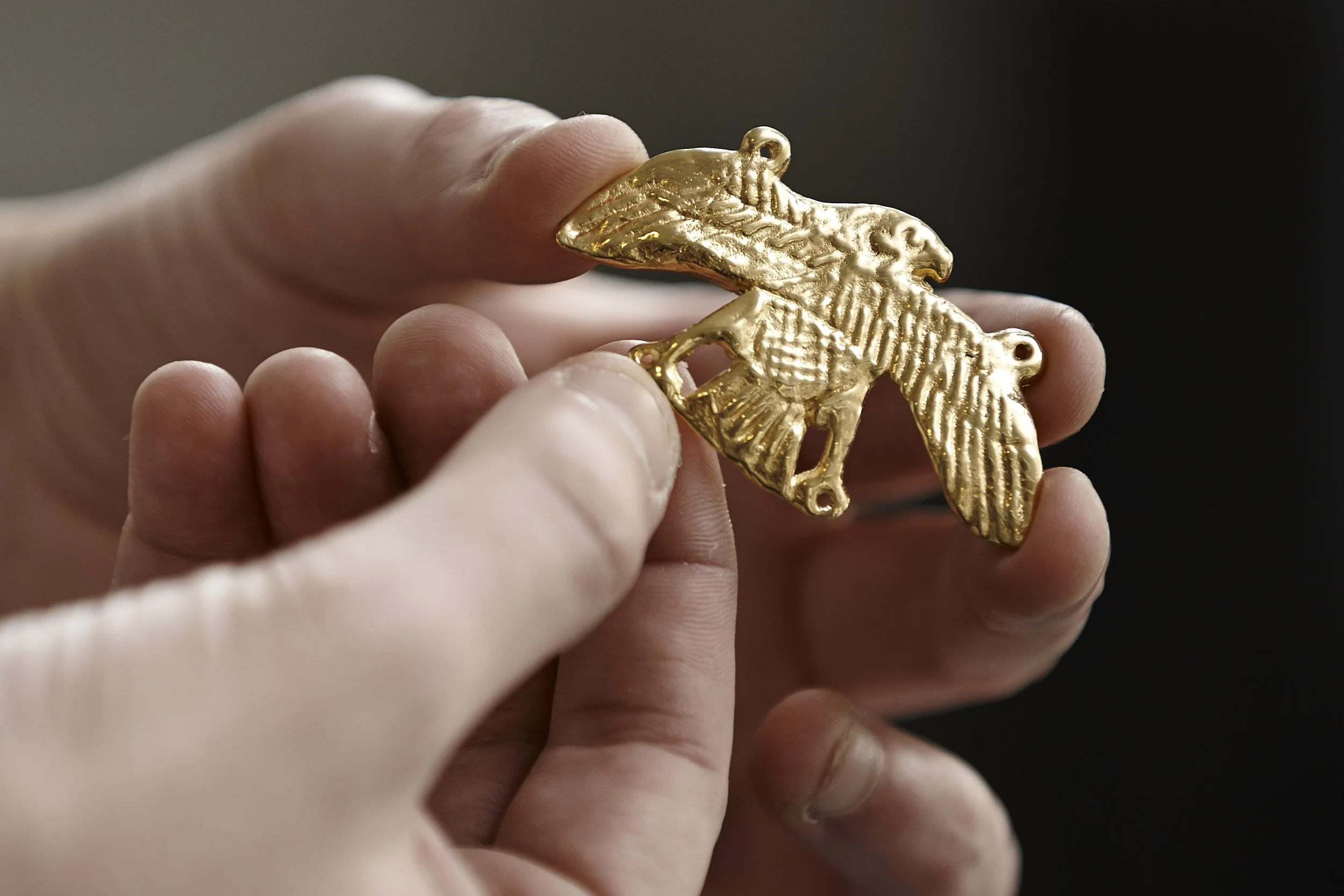
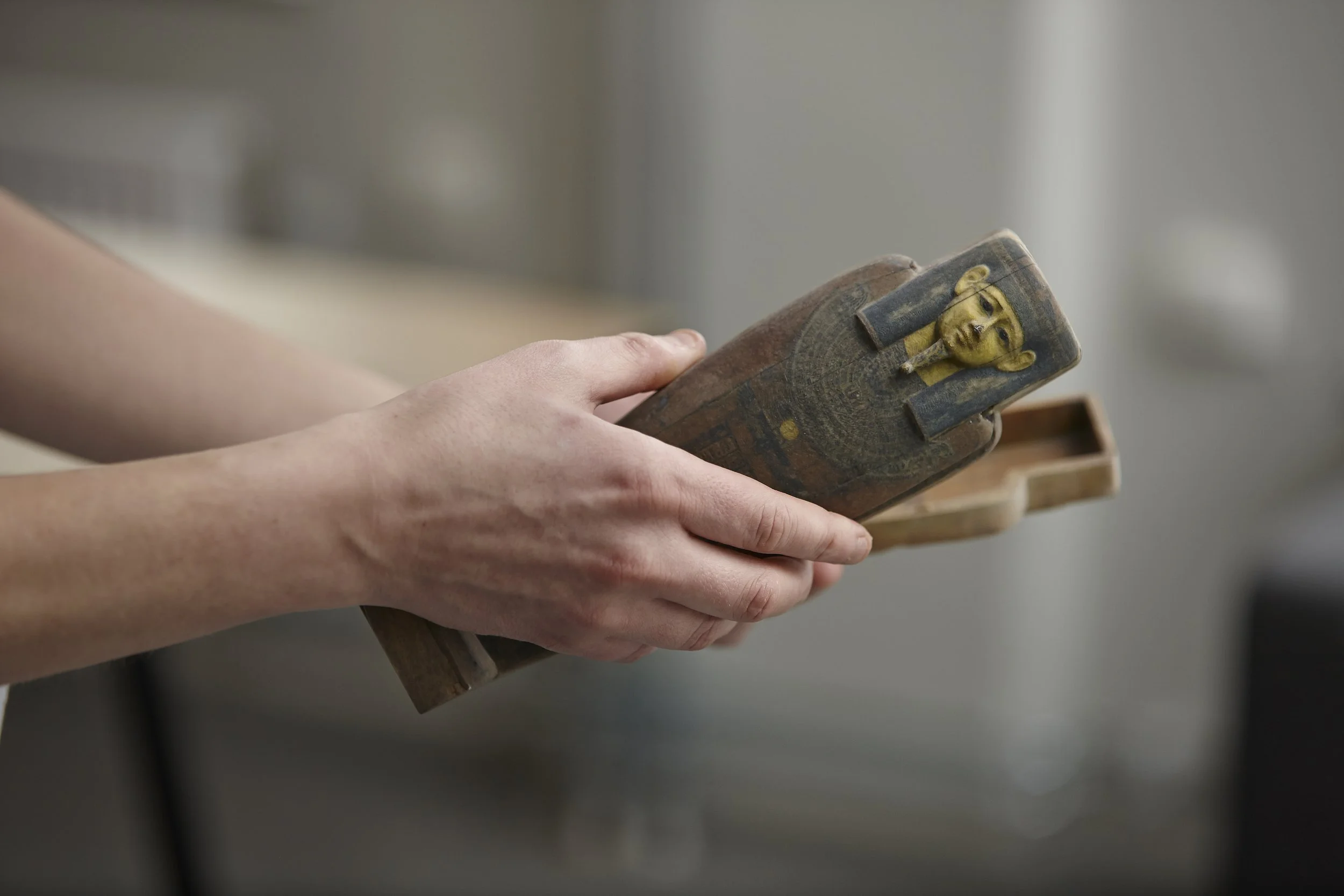
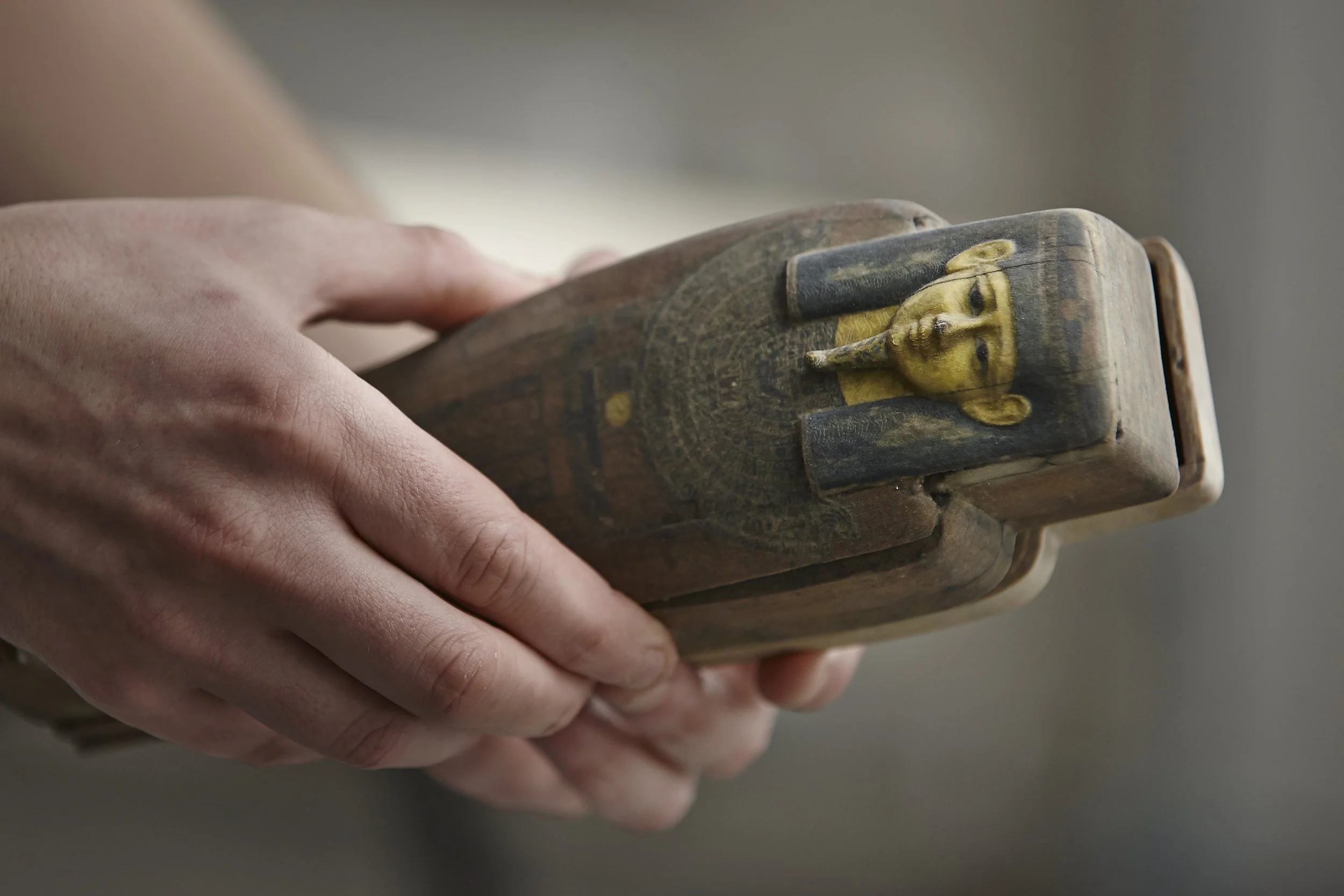
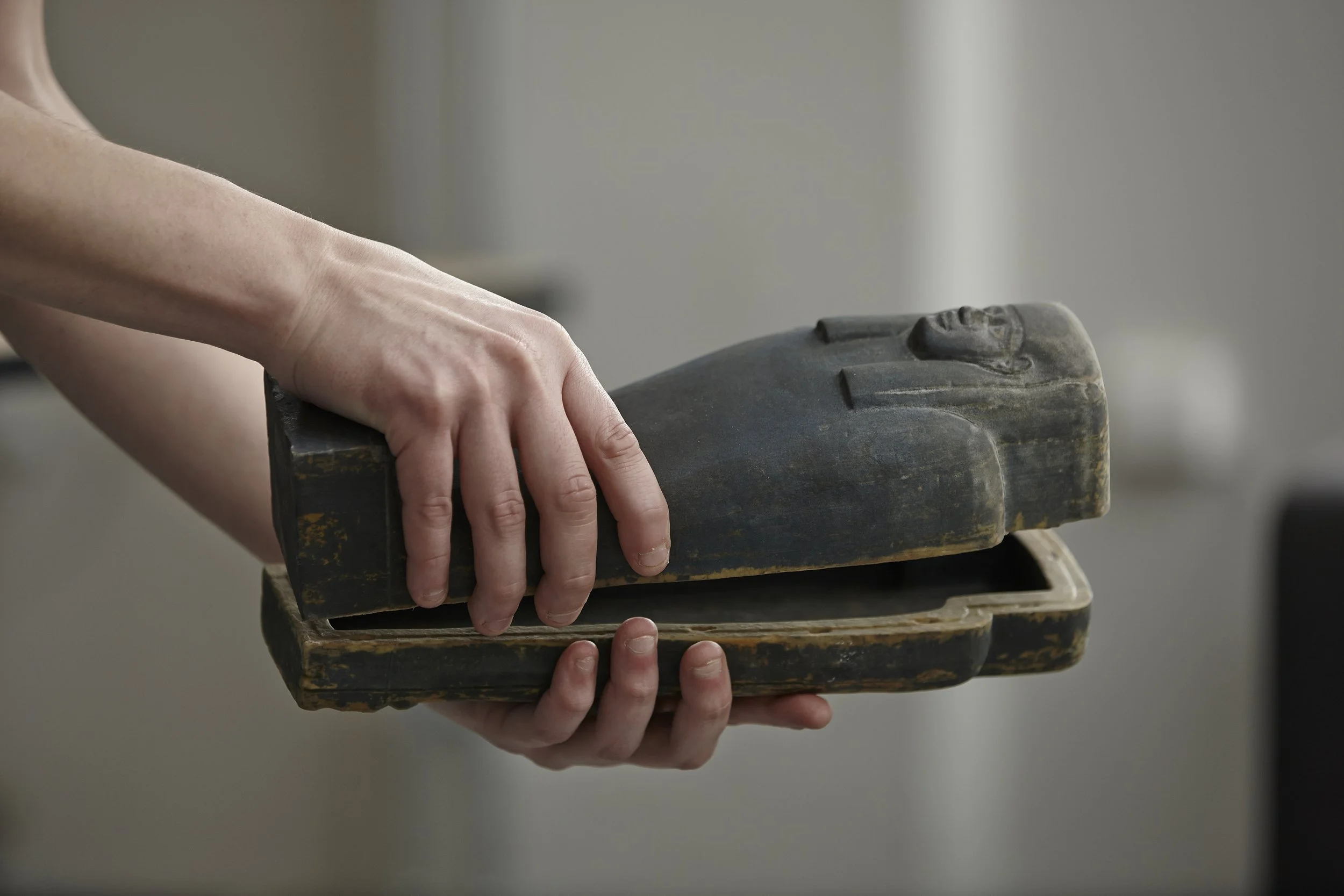
To further broaden access, selected parts of the digital models were recreated using 3D printing. The printed objects are used in educational activities and to support access for visually impaired visitors.
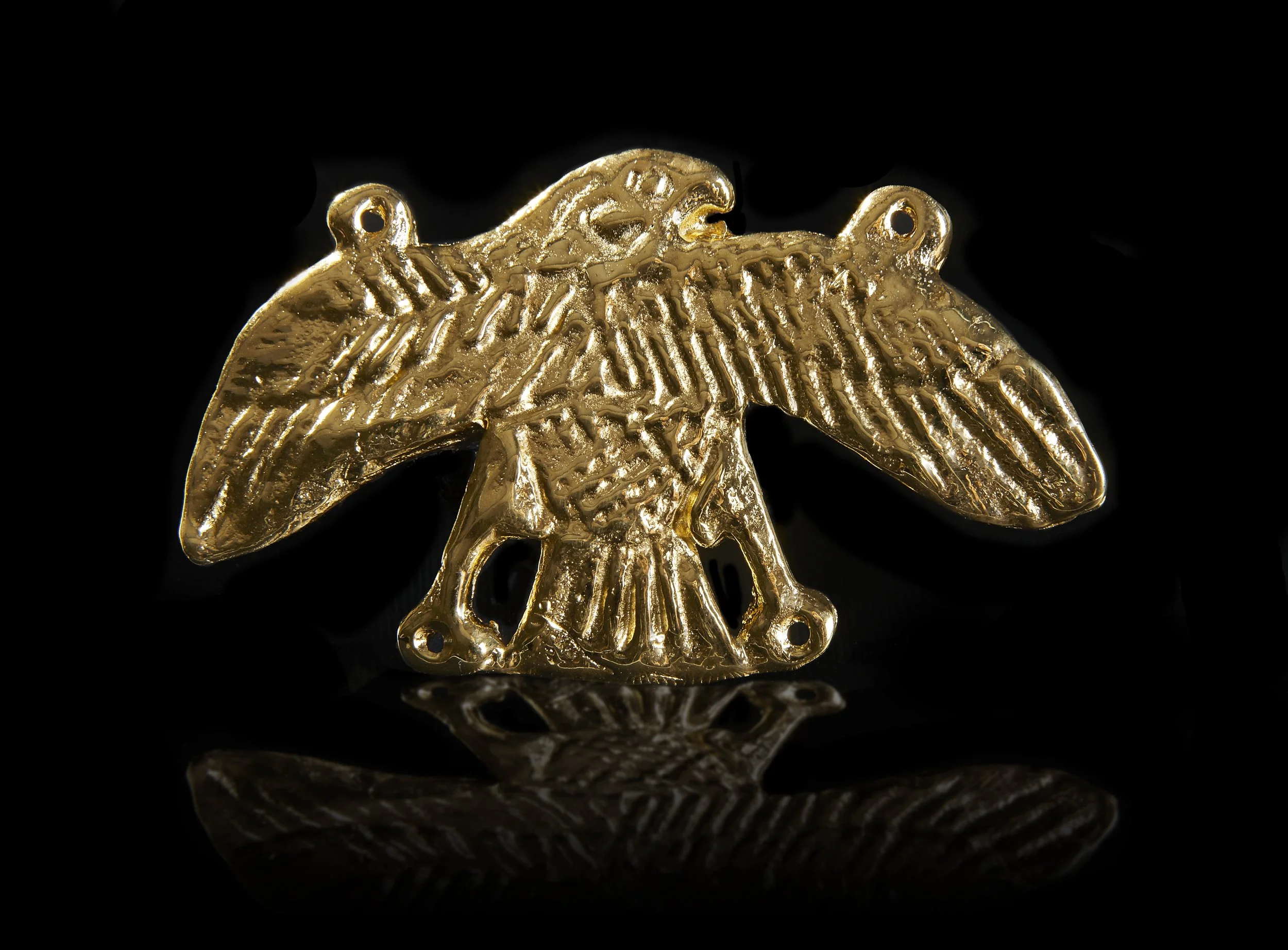
One example is a falcon‑shaped golden amulet discovered within the mummy. Digitised through CT data and recreated using modern printing and traditional casting techniques, the amulet was brought back into physical form. Visitors can hold and examine a precise replica of an object that has remained hidden for more than 2,000 years.
Result
The project demonstrates how Captured Reality can connect conservation, research, and public engagement. By combining careful data capture, scientific visualisation, intuitive interaction, and physical replicas, the exhibition enables visitors to explore cultural heritage in depth—without compromising authenticity or preservation.
Key outcomes
Non‑destructive digitisation of fragile Egyptian mummies
Interactive access to interior and exterior data based on real scans
Layered exploration supporting research, education, and public engagement
Tactile 3D‑printed artefacts enhancing accessibility and learning
A scalable production model applicable across collections and institutions