


Explore sharks and rays through real scientific imaging—an interactive exhibition that turns cutting‑edge marine research into explorable understanding.
Exhibit at a Glances
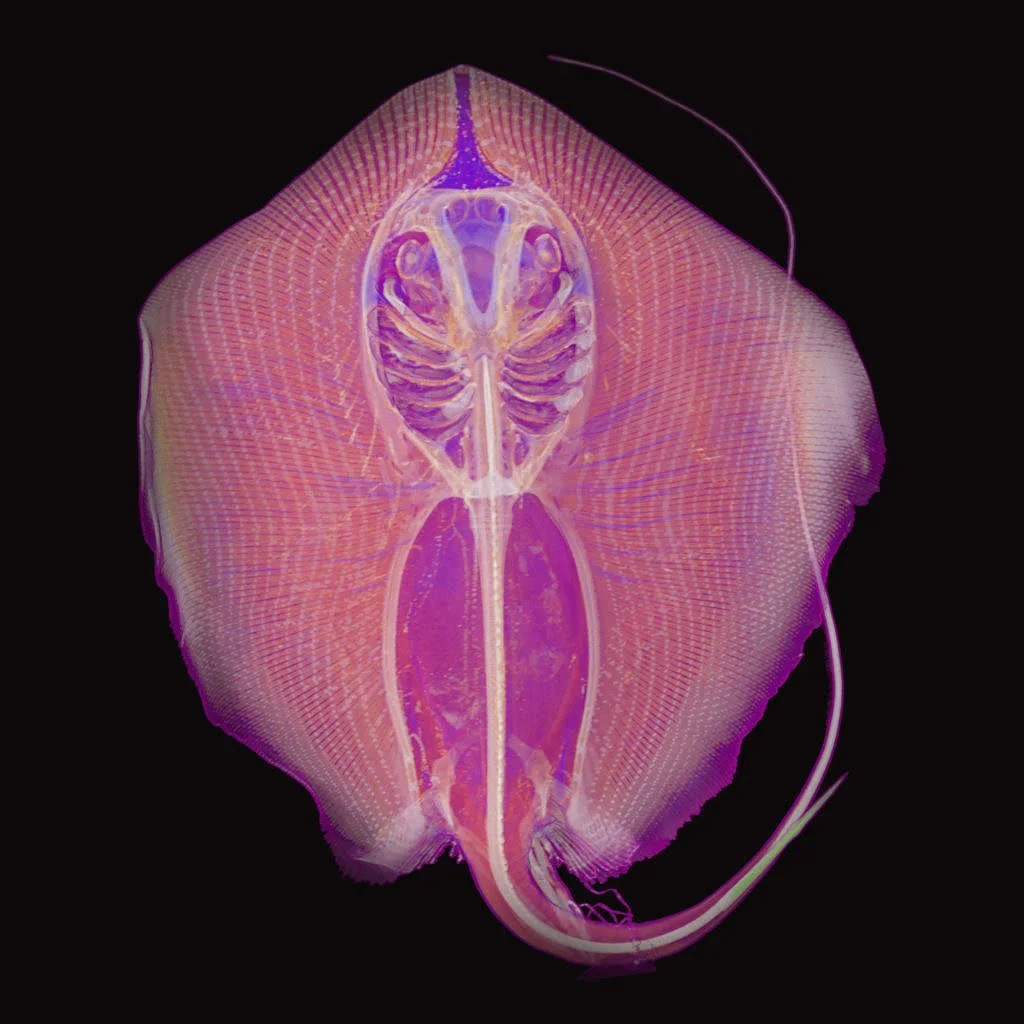
Real scientific imaging data – Built on authentic 3D scans from marine research, developed in collaboration with shark expert Professor Gavin Naylor
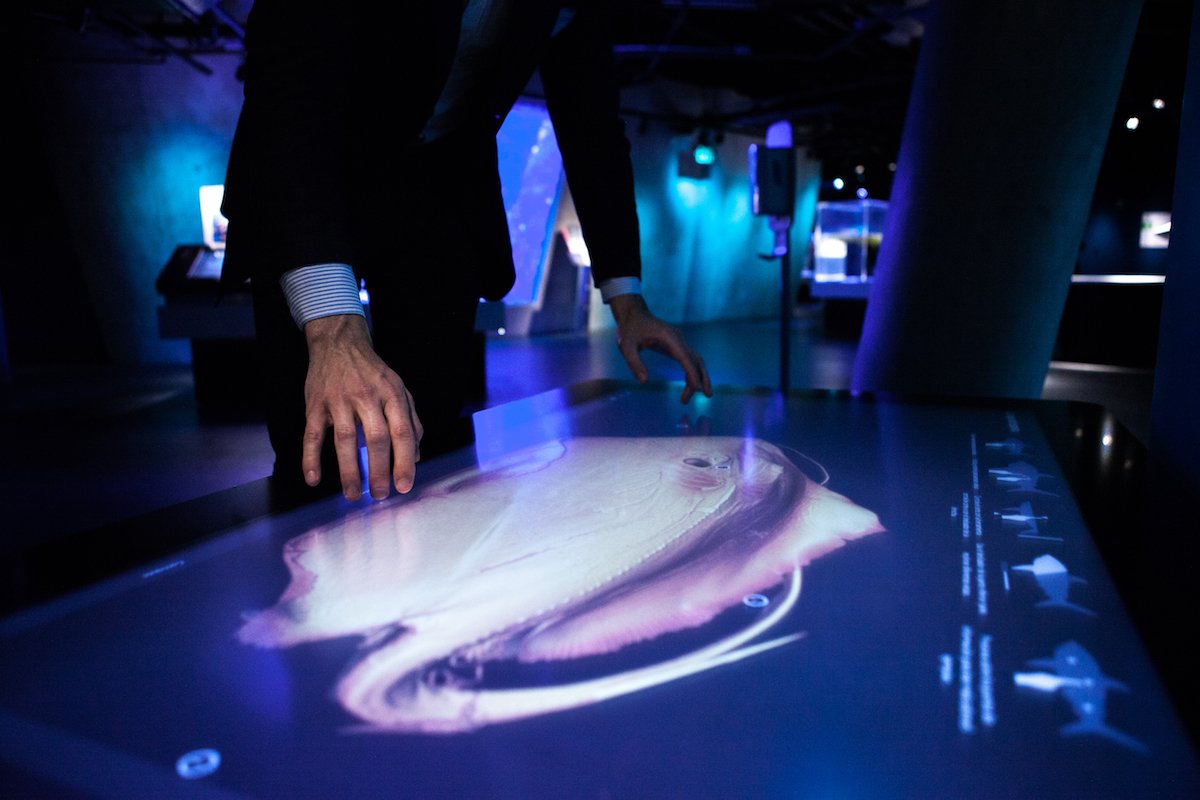
Explorable marine anatomy – Interactive 3D visualisations of sharks and rays, allowing users to explore anatomy layer by layer
Part of a larger research dataset – Drawn from Chondrichthyes, a database covering the evolution of more than 1,000 shark and ray species
Research meets public engagement – Transforms advanced research data into intuitive, hands‑on learning experiences
Diverse species – Features well‑known species such as hammerheads, makos, stingrays, skates, and cownose rays
Designed for outreach – Suitable for aquariums, wildlife parks, natural history museums, science centres, and education
Authenticity first – Grounded in real scientific data, not illustrations or synthetic models
Featured in the exhibit
SHORT-FIN MAKO (ISURUS OXYRINCHUS)
The short-fin Mako is one of the most beautiful of all of the sharks. It is also the fastest with burst speeds topping 60 mph. Known for making spectacular leaps 6m out of the water, shortfin makos are highly sought after by sports fishermen. (Juvenile female)
Data by Professor Gavin Naylor, University of Florida, US
SOUTHERN STINGRAY (HYPANUS AMERICANUS)
Southern stingrays occur in coastal waters of the western Atlantic Ocean Gulf of Mexico, Caribbean Sea, to Brazil. They can often be found around coral reefs and sea grass beds. (Male)
Data by Professor Gavin Naylor, University of Florida, US
CLEARNOSE SKATE (ROSTRORAJA EGLANTERIA)
The Clear-nose skate is common in waters off the North West Atlantic coast from New England to the Gulf of Mexico. It is widely used in biomedical research as it is easy to maintain in laboratory conditions. Like all skates, it lays eggs in capsules
known as "mermaids purses" that often wash up on shores.
Data by Professor Gavin Naylor, University of Florida, US
COWNOSE RAY (RHINOPTERA BONASUS)
Cownose rays are probably best known for their spectacular seasonal aggregations where thousands of individuals migrate en masse along the Western North Atlantic coast. (Female)
Data by Professor Gavin Naylor, University of Florida, US
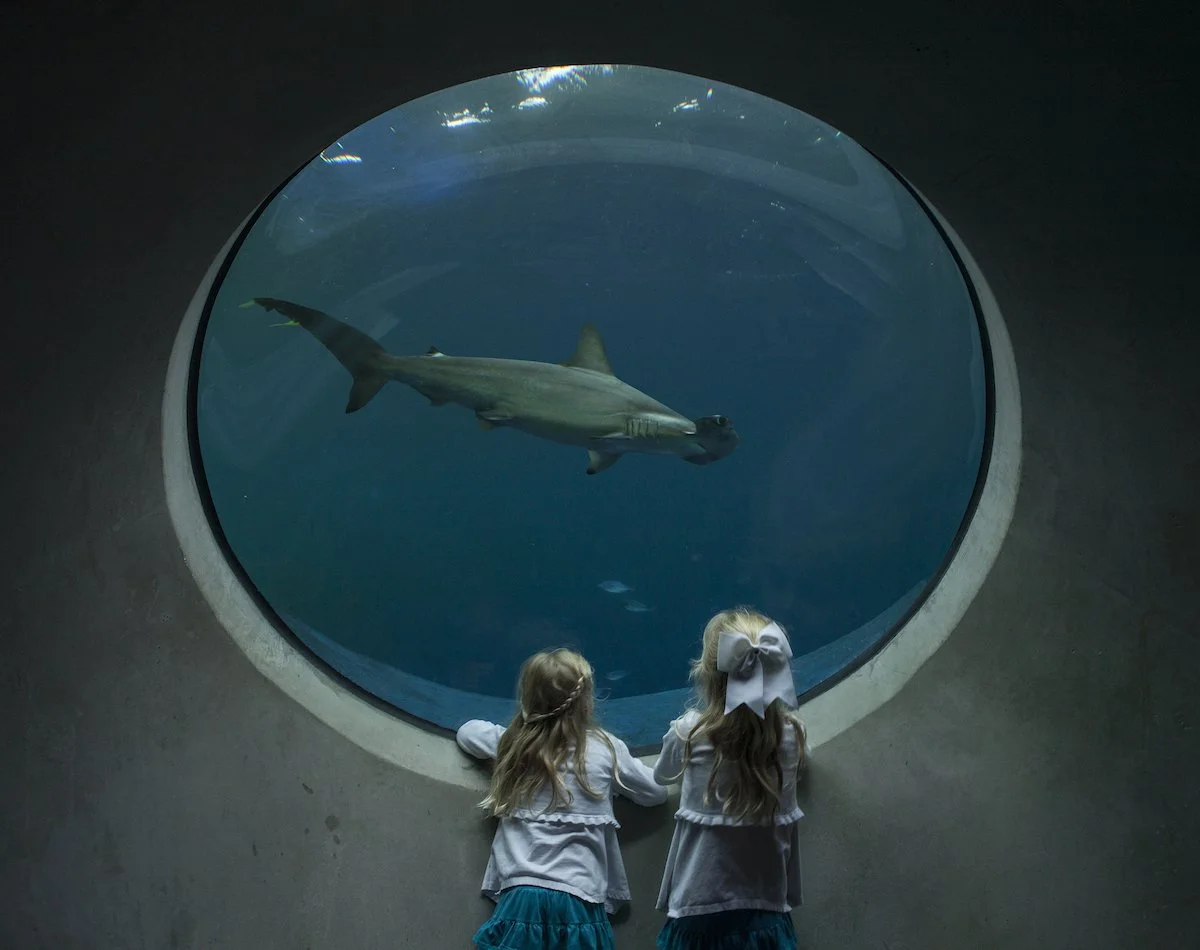
SCALLOPED HAMMERHEAD (SPHYRNA LEWINI)
The scalloped hammerhead has an unusual and distinctive structure of their heads, which are flattened and laterally extended into a "hammer" shape called a cephalofoil, giving the species its characteristic "scalloped" appearance. (Female)
Data by Professor Gavin Naylor, University of Florida, US