
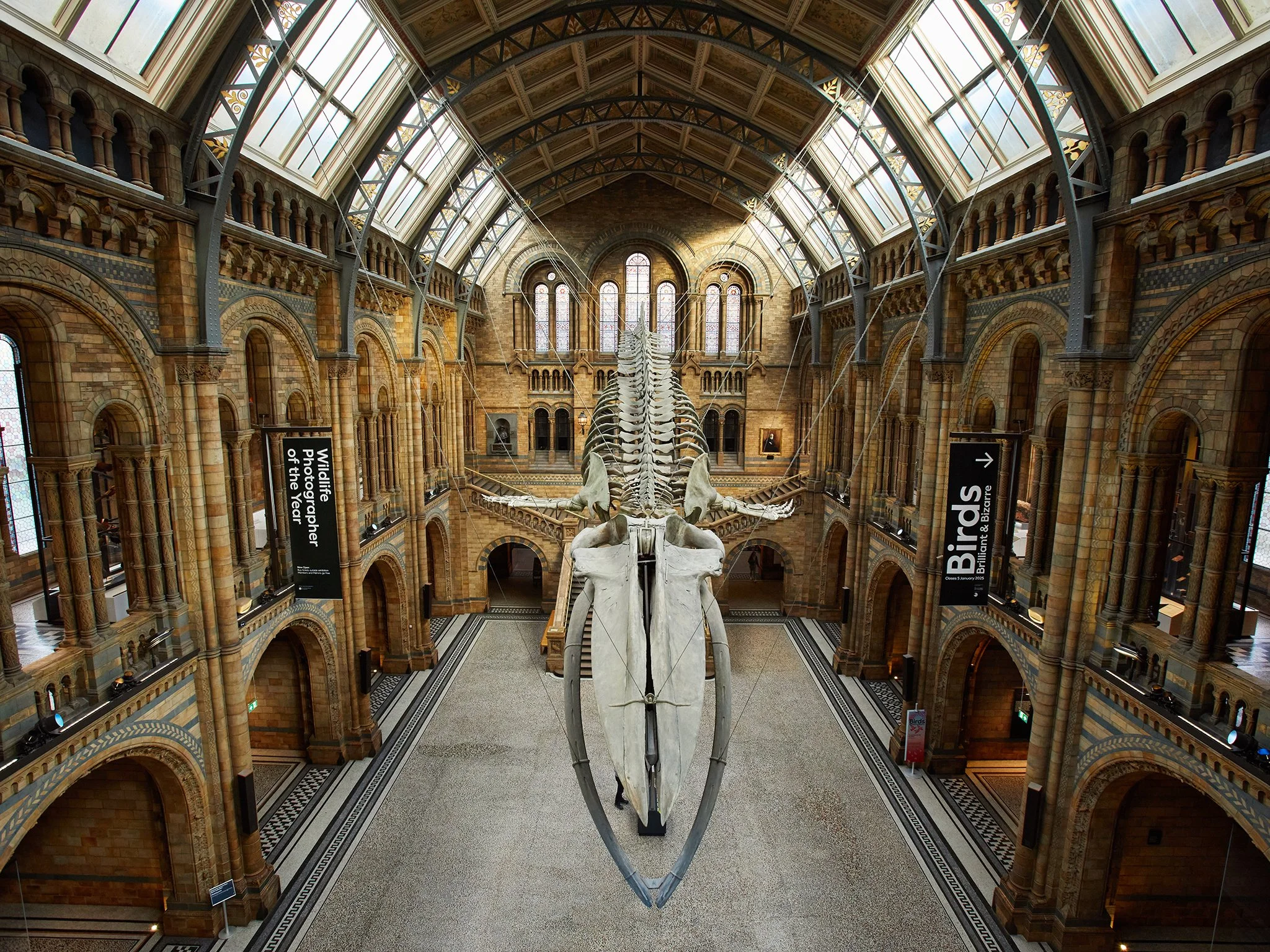
Natural History Museum
Exploring scientific specimens through real imaging data
The Natural History Museum in London is one of the world’s leading natural science institutions, housing more than 80 million life and earth science specimens. An important part of the museum’s research and public engagement is supported by its Imaging and Analysis Centre, where advanced scientific imaging technologies are used to study specimens in detail.
Using micro‑CT and nano‑CT scanning, researchers at the museum capture both the internal and external structure of objects in high‑resolution 3D—revealing details not visible to the naked eye and supporting research across a wide range of disciplines.
Making research explorable for visitors
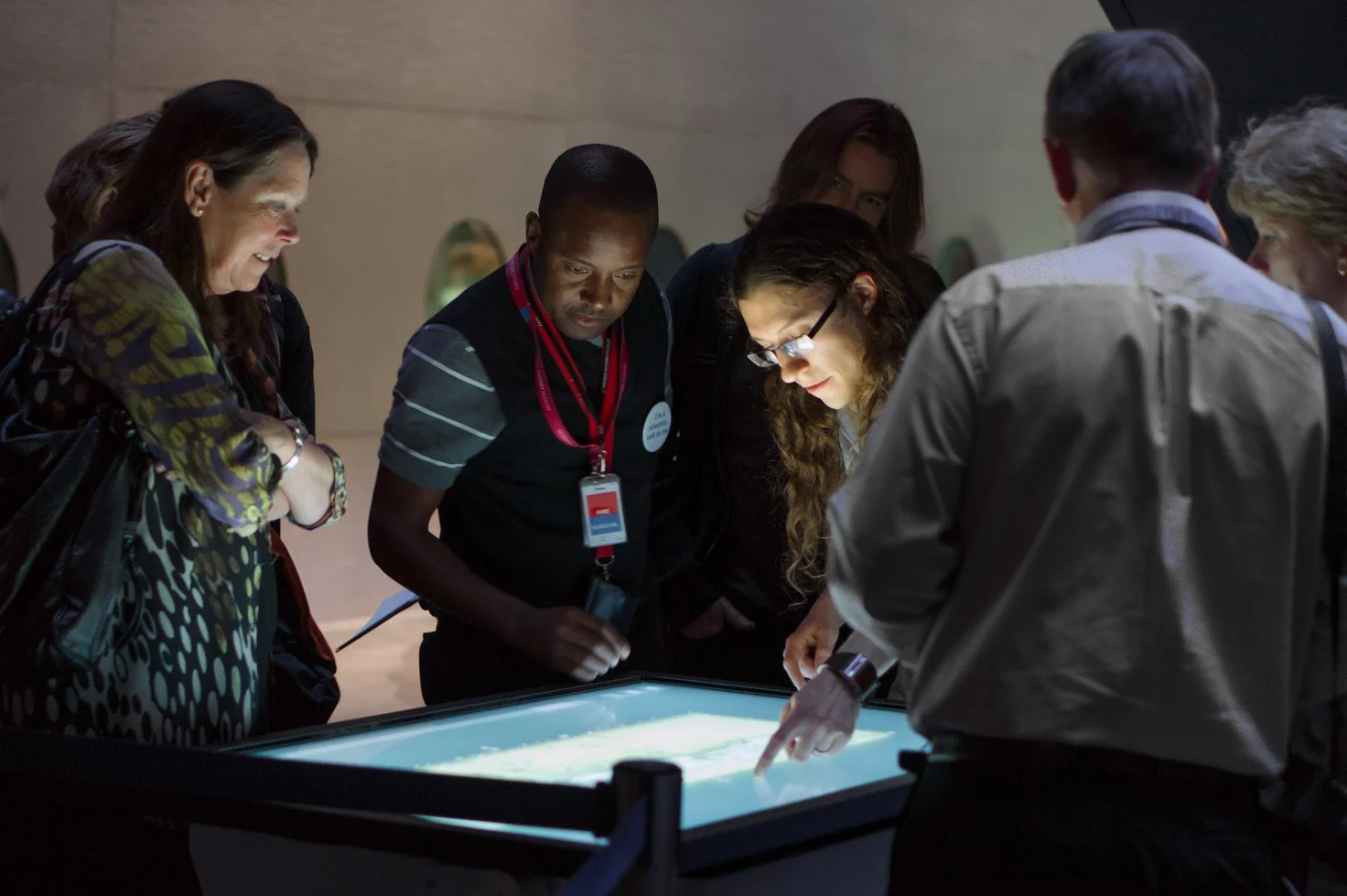
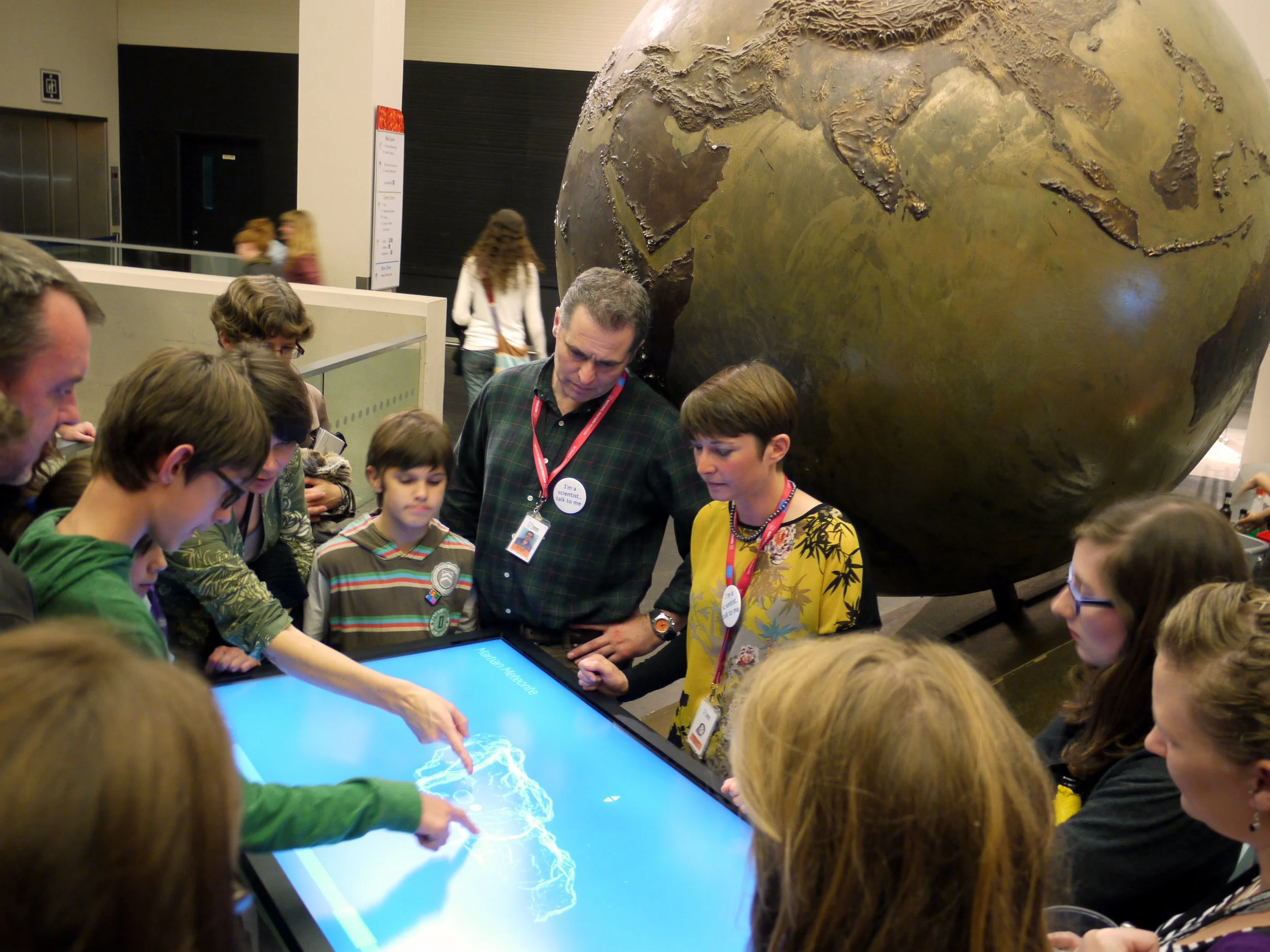
The Natural History Museum has used Inside Explorer to make selected scanned specimens explorable for museum visitors. Through interactive touch‑based tables, real scientific imaging data is transformed into hands‑on experiences that allow visitors to engage directly with recent research and discoveries.
Specimens such as a gecko trapped in amber, the Tissint meteorite, and a mummified cat can be explored in full 3D—allowing visitors to rotate, zoom, and inspect internal structures using intuitive interaction grounded in authentic data.
The museum currently operates two Inside Explorer tables:
A permanent installation in the Darwin Centre
A mobile system used for pop‑up education, workshops, seminars, and activities across the museum
This flexible setup allows the museum to integrate interactive, data‑driven exploration into both permanent exhibitions and temporary learning contexts.
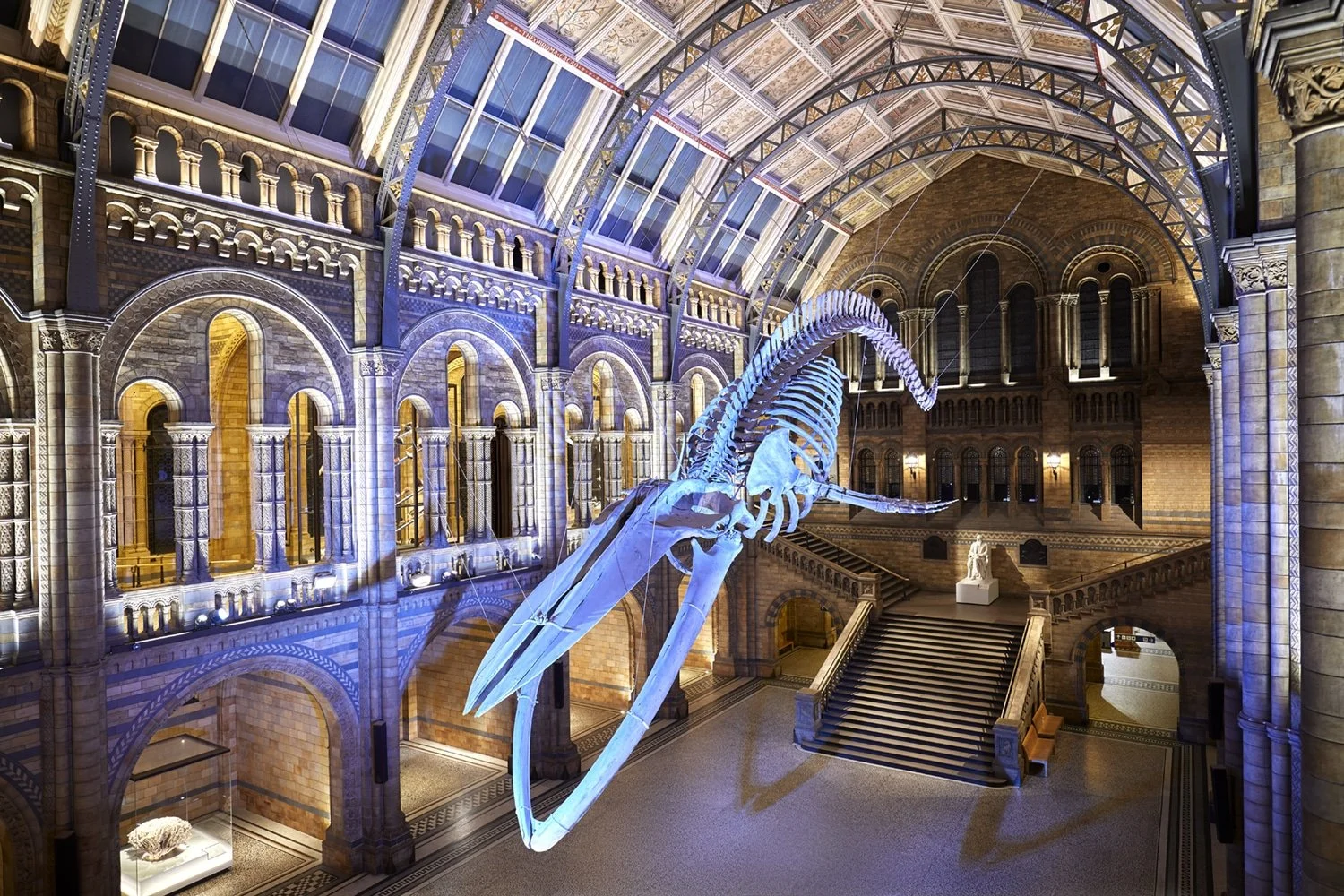
“Demonstrating how our science is relevant to everyone in their daily lives is an important element of the Museum’s work, and the table offers a unique way for visitors to interact with and learn from real scientific discoveries.”
— Chris Jones, Head of Imaging & Analysis Centre and Science Facilities, Natural History Museum
The result
By bringing real research data directly into the gallery space, the Natural History Museum enables visitors to explore scientific evidence themselves—bridging research, education, and public understanding. The installation preserves scientific depth while making complex imaging data accessible and engaging for wide audiences.
Key outcomes
Real micro‑CT and nano‑CT data made explorable for the public
Direct connection between ongoing research and visitor experiences
Interactive learning grounded in authentic scientific specimens
Flexible deployment across permanent and pop‑up museum contexts